
How to Organize a Sketchbook for Homeschool or Classroom
In this post we go over suggestions for how to organize a sketchbook to support your homeschool curriculum. We hope these tips help you to stay on track in your art online homeschool program. They might even help to create a neat space for assignments in any art education classroom!
What makes a good sketchbook?
When choosing a sketchbook for your classical art studies at homeschool, coop or in a classrom there are a few things to consider.
Some attributes of sketchbooks that may make a noticable difference in your art are the size of the sketchbook, the paper quality of the skethcbook, and the number of pages in the sketchbook.
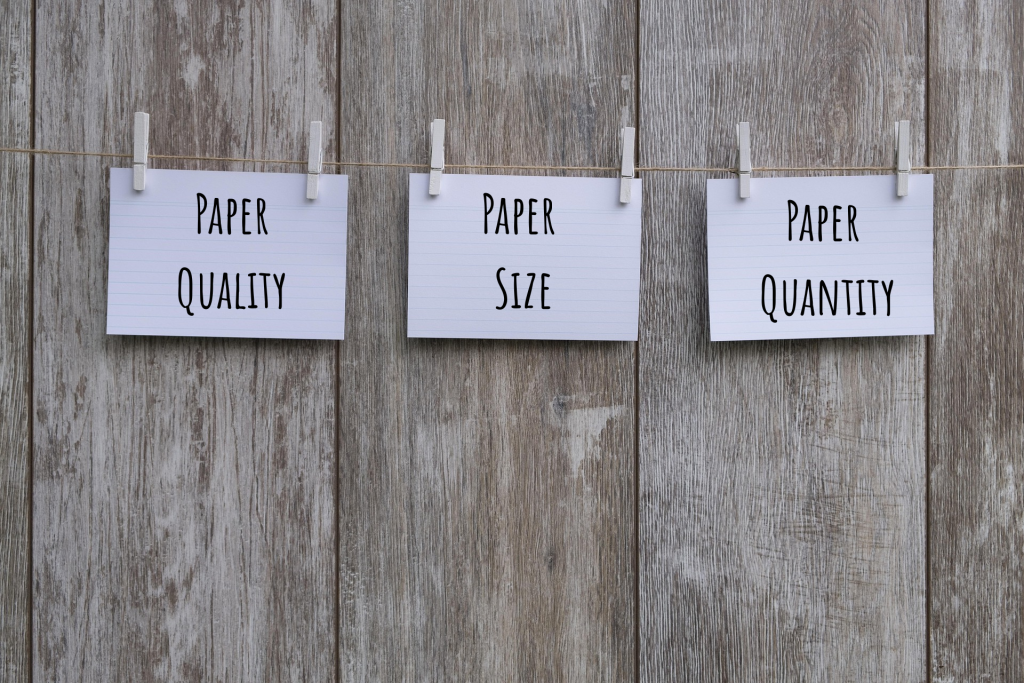
The size of the sketchbook:
For our online homeschool programs we reccommend a 9×12” sketchbook. This size is large enough to allow the student to use the wrist and arm while working, which is skill that must be practiced, as opposed to strictly drawing from the fingers! The 9”x12” size also helps with students drawing large shapes and can be divded up into sections to fit more then one assignment on a page. When chooseing a sketchbook size you might consider the following;
1. Will I travel with the sketchbook?
2. Is it going to be to heavy/bulky for little hands (especially the cover)
3. What kind of work will I be completeting in the sketchbook? If it is mostly drawing drills do I want smaller pages with one drill per page or do I want larger pages that can fit several assignments? Will I be using my sethcbook for finished drawings, and if so what size would I like them?
4. Will I have more then one sketchbook?
We reccommend for students of Rest in Thee Classical Art Academy’s online homeschool curriculum that they have a sketchbook dedicated to Lessons 1a and 1b and possibly even Lesson 2 of our Primary Drawing online homeschool class.
The paper quality of the sketchbook:
Paper quality can be researched in great depth while deciding which sketchbook is best for your needs. Generally speaking, paper quality will consist of weight and texture. The weight of the paper will be how thick or absorbant it is. The texture of the paper will consist of how smooth or rough the paper is. This is sometimes called the tooth of the paper. The tooth of the paper helps you to layer, which adds depth and detail to your drawing. For sketches, almost any paper will work great! A standard leading sketchbook paper is about 60lbs with a smooth surface.
The paper quanitity of the sketchbook:
Paper quanity in a specific sketchbook can help to keep work contained, neat, and create a useful tool to study from and look back on. It is reccommended that you estimate how much paper you will need for a course or project before choosing a skethcbook. Estimate the number of assignments, consider if you are willing to use the front and back of your paper (fine for light pencil work, but not a great idea for markers or shading that can smudge).
Organize a sketchbook for your homeschool studies in art education with the goal of building on what you learn long term. If your skethcbook is for fun, our outside work, you can just fill them up as you want to and replace when the book is filled. However, to create a keepsake that benefits the student as they advance, it may benefit the student to choose a skethcbook with the amount of paper required for the lessons assigned.
How I can organize a sketchbook homeschool resources:
You can buy a sketchbook or make one to suit your needs! After considering some of the important qualities that vary between sketchbooks, gather the following items in order to organize the skethcbook for use.
1. a sketchbook or a 3 ring binder and paper to fit
2. binder tabs (sticky for use in the sketchbook) or binder dividers
How to set up my sketchbook for home education program in art:
In you art home education program set up your skethcbook in a way that is easy to maintain and keeps lessons together. To organize your sketchbook for Lessons 1a, and Lesson1b for the Primary Drawing online homeschool programs at Rest in Thee Classical Art Academy, divide your sketchbook into 3 equal sections. To see a list of all our Drawing Courses click here.
For example the 9×12” Strathmore 400 Series Sketchbook has 100 pages. 100 divided by 3 is 33 pages per section with 1 page left over.
Use binder tabs, index tab dividers, or tape and paper to make your own dividers that stick out.
1. Skip the first page of the 100 page sketchbook. See the post on how to use the first page of your sketchbook.
2. Label the first one Drawing from memory with 33 pages, respectively.
3. Next label the second tab Drawing from Imagination with 33 pages respectively.
4. Finally label the third tab Drawing from Stories, Poems, and Hymns with 33 pages respectively.
Now you can complete your assigned drills and more for these lessons over these 33 pages, or 66 pages if you use front and back!
Why teach students to be organized in their work?
Students thrive on order and it is easier to be restful in our learning when our work is calmly organized. Children enjoy routine, clarity, and logical progression. Teachers, and parents, also preform better when they teach and work from rest, as opposed to when they work or teach from chaos. Have you ever experienced loosing a book right before a lesson, or being side tracked and wasting a lot of class time because you cannot find an eraser? I know we have!
Organized Sketchbooks are a Solid Start to Classical Art Education
1. Organizing your sketchbook in this manner will create a keepsake. This is nice for memories, and to show progress, but it also shows the student the fruit of their labor. They see all of their work complied. They can hold their progress in their hands, their time and labor producses a tangible fruit. They may not like every or even most of the drawings they have done. They will greatly enjoy looking back on a book that shows their growth and reminds them of their lessons.
2. Organizing your sketchbook teaches diligence and routine. It is important to keep expectations consistent when you want equal performance. If you would not allow your child to scatter their math worksheets for the year, or their music notes for the semester, it can be prudent to keep the same expectations with their other subjects. Ofcourse there may be a time, quarterly or yearly even, where you purge the work. We certainly cannot and probably should not keep everything. However, it is more about creating the habbit of neatness then it is about the end result.
3. Many drawing exercises are repeatable. I often look back at old drawings and am reinspired to “do it differently”. Students drawings area reflection of them at the time. Keeping their work in such a way helps them to order their thoughts, trains them to be orderly in other subjects, and gives them a sense of ownership of the material.